
Scenario
Working capital
Release capital tied up in inventory to support day-to-day operations and cash flow management.
Jera provides structured lending secured against wine stock, enabling businesses to access capital without disrupting operations or forcing sales.

For many businesses, wine represents a significant working asset. Jera enables inventory to support capital requirements in the same way other asset-backed lending solutions support stock, receivables or property.
Who this is for
Jera works with businesses that hold wine as inventory or working assets. This typically includes:

Why businesses use Jera
Release the capital tied up in your stock. Fund growth, smooth cash flow, and protect your trading strategy.
Access capital tied up in inventory without selling stock.
Fund expansion, purchasing or new opportunities.
Release liquidity to manage operations more effectively.
Avoid disrupting pricing or stock positioning.
The challenge
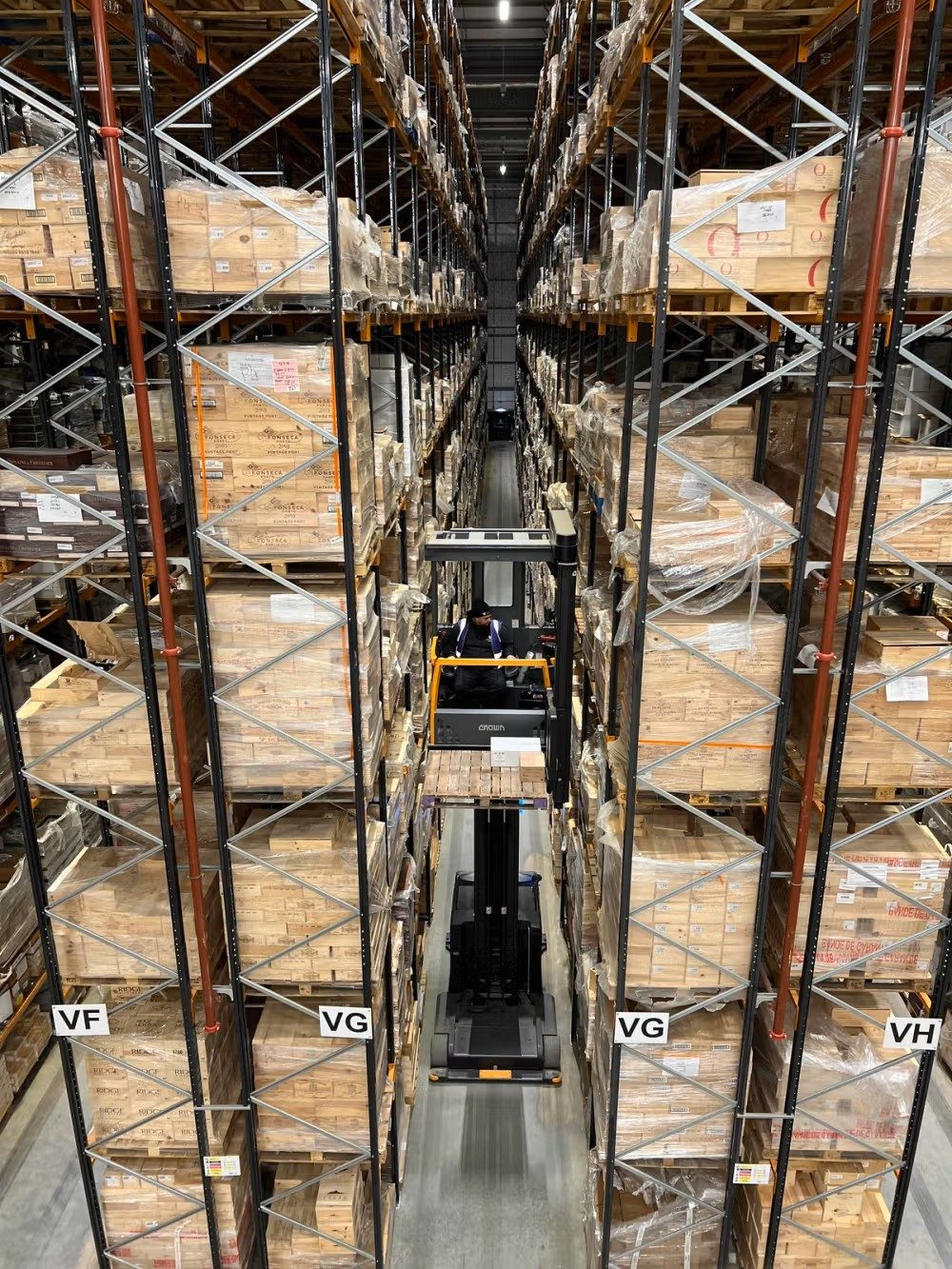
Wine inventory often represents substantial value, but that value is not always reflected in traditional financing arrangements.
Accessing liquidity can require additional borrowing, asset sales or restrictions on growth plans.
The opportunity
Jera enables businesses to unlock capital from qualifying wine inventory through a structured lending facility, creating additional financial flexibility while preserving the value of the underlying asset.

How it works
From initial assessment through to funding, every facility follows a structured review process designed specifically for wine-backed lending.
Share high-level details of your inventory and funding requirements. No commitment at this stage.
We assess the stock and structure a facility based on its realisable market value, agreed terms and your operational needs.
Funds are released once approved, with inventory held as collateral throughout the term.

Operational flexibility
In certain circumstances, facilities can be structured to accommodate ongoing trading activity. This allows businesses to continue operating normally while maintaining an appropriate collateral position throughout the life of the loan.

What qualifies
Jera provides lending for inventory that meets specific criteria. Typical requirements include:
If you are unsure, you can complete a short eligibility check.
Typical use cases
Examples of how businesses use Jera to improve liquidity and support commercial objectives.
Release capital tied up in inventory to support day-to-day operations and cash flow management.

Fund expansion, acquisitions, investment opportunities or strategic projects without selling stock.

Unlock value from existing assets and diversify sources of business financing.
Why Jera
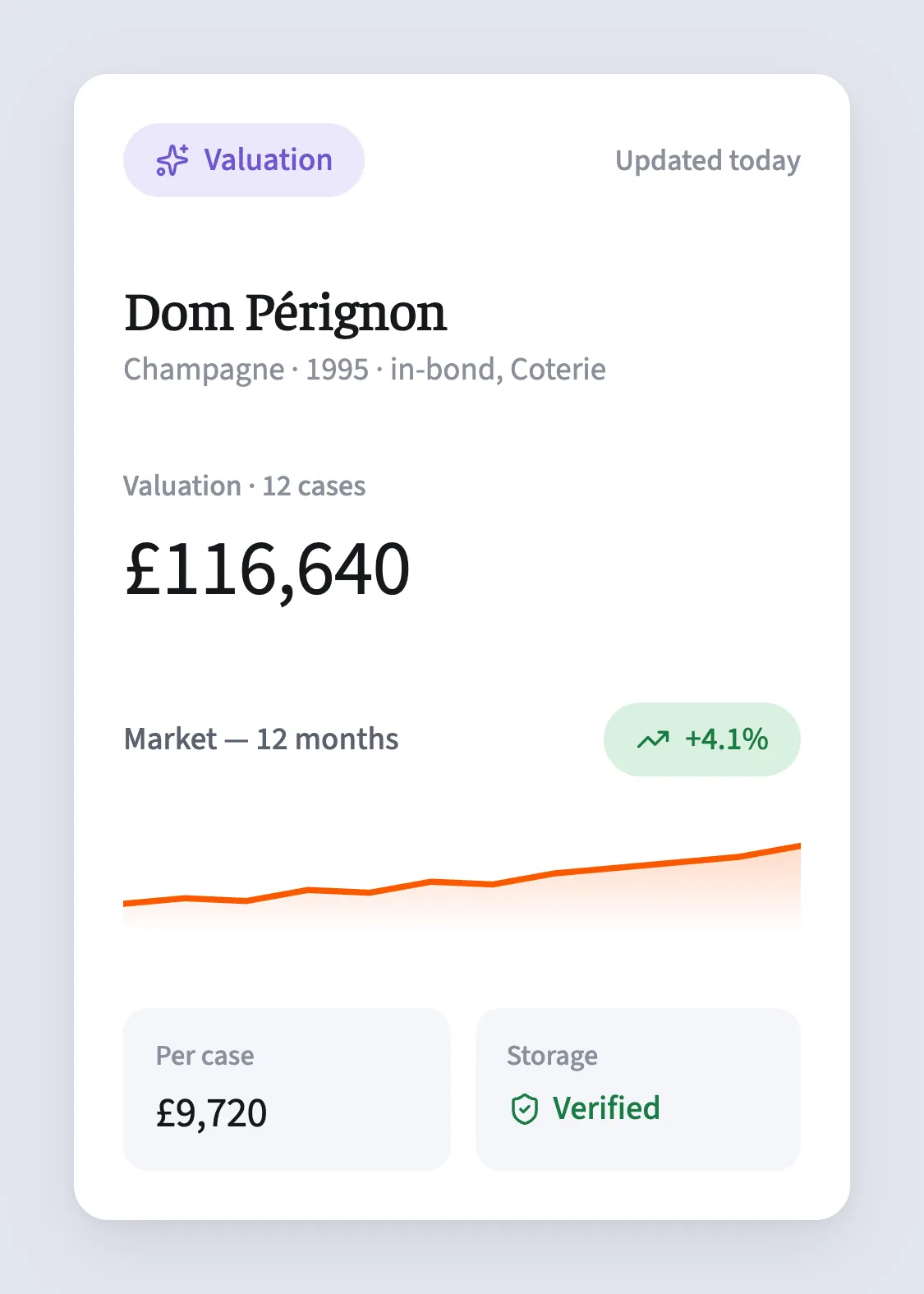
Jera combines valuation, storage, logistics, credit assessment and market access within a single lending framework.
This integrated approach enables wine inventory to function as reliable collateral while supporting practical commercial lending solutions.

FAQs
Answers to some of the questions merchants, restaurants and hospitality businesses ask most frequently. Full details can be found in our FAQs.
A short eligibility check - typically 60 seconds - confirms whether your collection is a fit for a Jera facility.